

 English
 Español
 عربى







Content
- 1 What “Vented” Actually Means
- 2 Vented vs. Ductless: What the Performance Gap Looks Like
- 3 Key Specifications to Compare Before You Buy
- 4 Choosing the Right Installation Type for Your Kitchen
- 5 How to Size a Vented Range Hood to Your Kitchen
- 6 Maintenance Tips That Keep a Vented Hood Performing
- 7 Frequently Asked Questions About Vented Range Hoods
You know the feeling. The pan gets a little too hot, smoke starts rising, and the kitchen air turns heavy. A vented range hood is supposed to prevent that, but the real question is whether you have chosen one that actually matches your cooking environment. This guide is not about listing every model on the market. It is about the practical factors that decide whether a vented hood will work for you.
The short answer is this: if you can install a duct to the outside, choose a vented range hood. It will outperform a ductless model in every meaningful test, from grease removal to moisture control. The rest of this article explains how to get the sizing, configuration, and maintenance details right.
What “Vented” Actually Means
A vented range hood uses a metal duct to move cooking smoke, grease, and moisture out of the building. The air does not recirculate through the kitchen; it is captured at the hood surface and pushed through a chimney, wall duct, or down-through-the-floor duct to an exterior vent. This is different from a ductless model that passes air through an activated charcoal filter and then blows it back into the room. A ductless hood can reduce some odors, but it cannot remove the heat and humidity that accumulate during heavy cooking.
Vented vs. Ductless: What the Performance Gap Looks Like
The performance difference is not subtle. Vented hoods remove the actual smoke particles and water vapor from the cooking zone. Ductless models only filter the air that passes through the charcoal cartridge, and they leave the room temperature and humidity mostly unchanged.
| Performance Area | Vented | Ductless |
|---|---|---|
| Smoke removal | High | Low |
| Grease capture | High | Moderate |
| Moisture control | High | Low |
| Installation complexity | Higher | Lower |
If your kitchen layout allows for a duct run, the extra installation effort is almost always justified. The only common exception is a kitchen without exterior wall access, where a ductless hood can still improve the air slightly by filtering odors before recirculation.
Key Specifications to Compare Before You Buy
When you compare vented range hoods, four specifications determine whether the unit will serve your kitchen well: airflow, sound level, filter type, and duct dimensions. Each one affects a different part of the cooking experience.
CFM
CFM stands for cubic feet per minute. It measures how much air the hood can move. For an electric cooktop, a rule of thumb is 600 CFM for a 36-inch range. For gas burners, plan for 900 CFM or more, especially if you cook with wok burners or heavy sauté techniques. You can find a more detailed breakdown in how much CFM your range hood really needs.
Quick CFM Rule: start with 100 CFM for every 10 inches of cooktop width. If the cooktop sits under a 36-inch range, that means at least 360 CFM, but most professionals recommend a 900 CFM blower for gas cooking.
Noise Level
Vented hoods are measured in sones or decibels. A hood at 4 sones is roughly the sound level of a quiet conversation and is acceptable for most home kitchens. Commercial environments can tolerate more noise, but residential buyers should target something around 4 sones or less at the highest practical speed.
Filter Type
Stainless steel baffle filters are the standard for vented hoods because they are dishwasher safe and capture grease efficiently. Mesh filters work in lighter cooking situations, but they let more grease through and require more frequent cleaning.
Duct Size
Most residential vented hoods use a 6-inch round duct. Larger commercial models may use 8-inch or 10-inch ducts. A duct that is too small creates backpressure, reduces effective airflow, and increases noise. Always match the duct size to the CFM rating.
Choosing the Right Installation Type for Your Kitchen
Vented range hoods come in several mounting configurations. The right option depends on where your cooktop sits and where the duct can exit the building.
Under-Cabinet
An under-cabinet hood attaches beneath a wall cabinet. This is a common layout in residential kitchens. It is compact, works well with standard-height ceilings, and keeps the duct hidden inside the upper cabinetry.
Wall-Mount
Wall-mount hoods stand directly behind or above the cooktop and are visible in the room. They give the kitchen a professional feel and are often used in open layouts. For a reliable stainless steel option with a tower design, consider the Reidom 36-inch stainless steel wall-mount tower range hood, which combines a clean exterior with a generous capture area for a 36-inch stovetop.
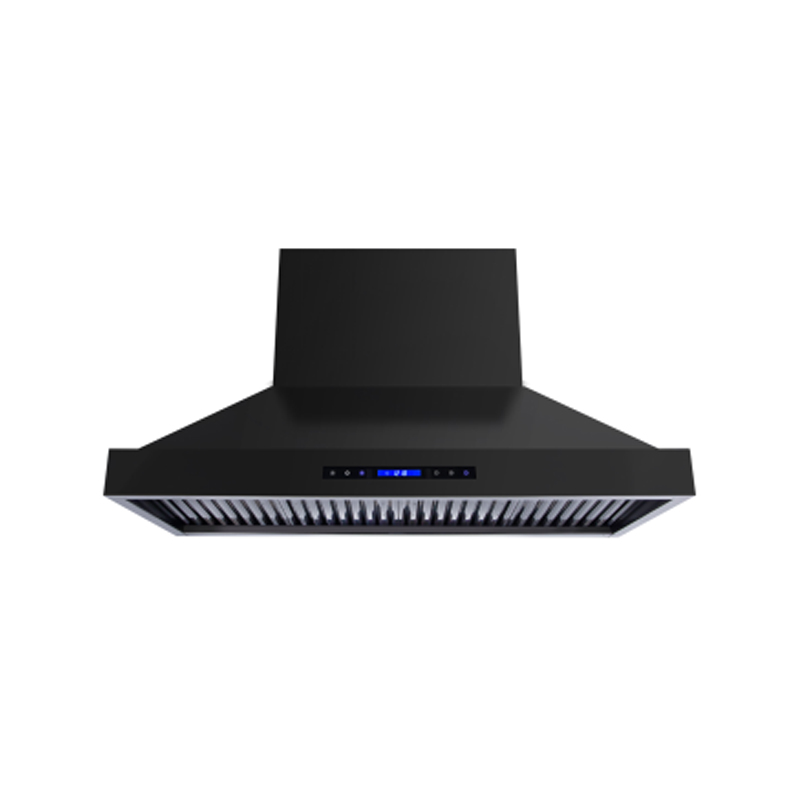 Stainless Steel Wall-Mount Tower Range Hood with Baffle Filters and Touch ControlsThis 36-inch wall-mount tower range hood from Reidom offers a clean stainless steel exterior and generous capture area for a 36-inch cooktop, making it a reliable choice for open kitchens.View Product →
Island
Island hoods hang from the ceiling in the middle of the kitchen. The duct drops through the ceiling structure, which makes routing more complex than a wall unit. If your stove is on an island, you need a hood that can handle smoke from all directions. The Reidom 36-inch island range hood with 900 CFM is a good starting point because it is sized for 36-inch cooktops and delivers strong airflow in an open plan.
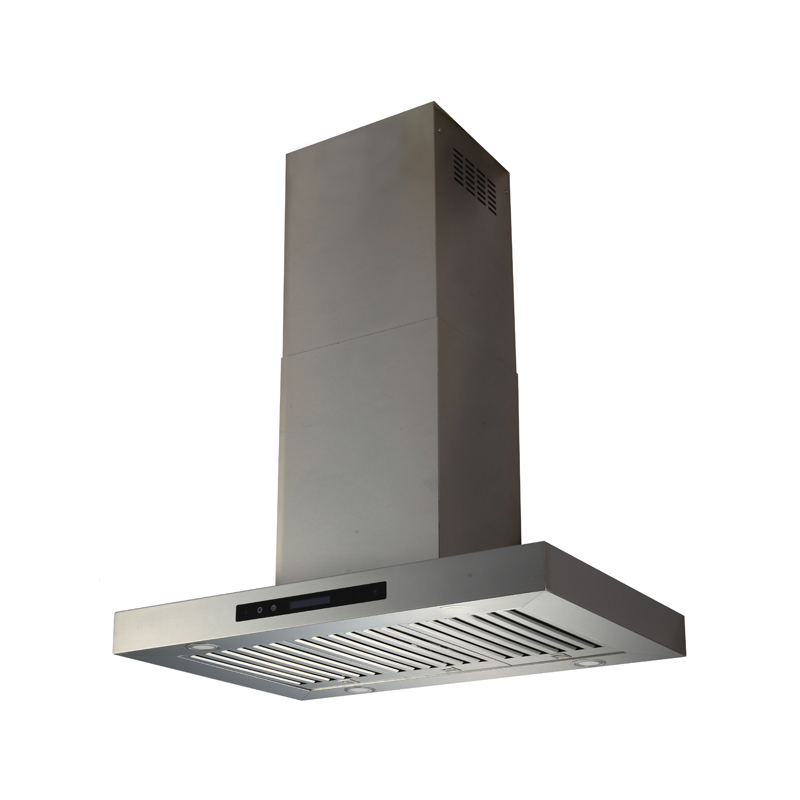 36-Inch Island Range Hood with 900 CFM Stainless Steel FinishDesigned for island cooktops, this 36-inch hood provides 900 CFM airflow to handle smoke from all directions, with a stainless finish suitable for open-plan kitchens.View Product →
Insert
Insert hoods are built into a custom enclosure or above a range hood cavity. This is the preferred choice for design-driven kitchens that want a minimal visual footprint. For example, the Reidom 28-inch insert range hood with 900 CFM fits into a standard 30-inch cabinet opening and still gives you a reliable 900 CFM blower, which is enough for most residential gas or induction cooking.
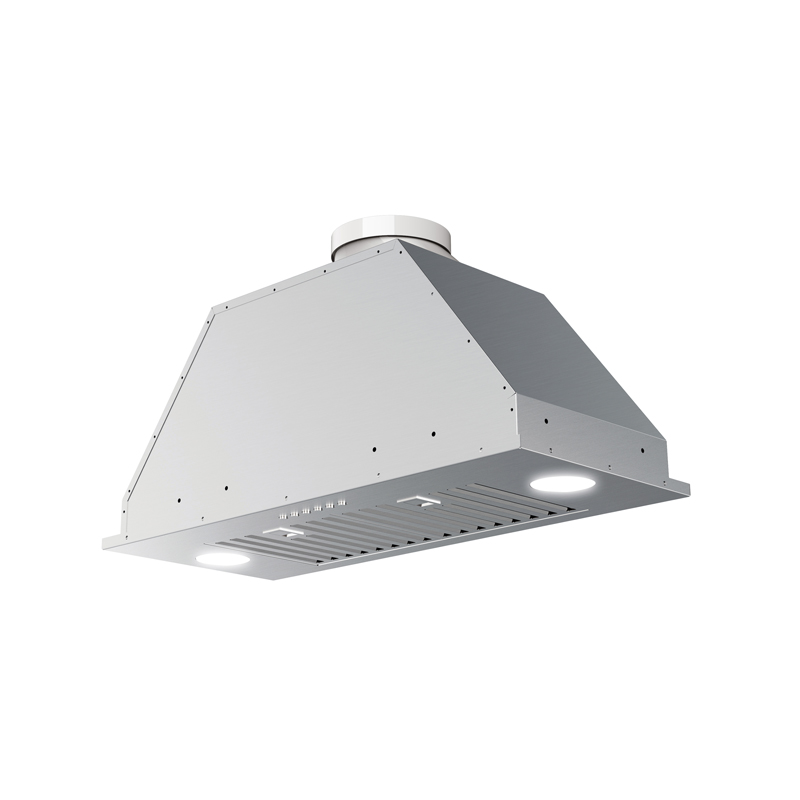 28-Inch Ducted Insert Range Hood with 900 CFM and Baffle FiltersThis 28-inch insert hood fits a standard 30-inch cabinet opening and delivers 900 CFM, sufficient for most residential gas or induction cooking while maintaining a minimal visual footprint.View Product →
How to Size a Vented Range Hood to Your Kitchen
Sizing a vented hood is about matching the width of the cooking surface and the airflow to the heat output of your cooktop. A simple method is to choose a hood that is at least as wide as the stove. A 36-inch range should pair with a 36-inch hood or wider, and a 48-inch range requires a 48-inch hood. The capture area matters more than the exterior design when you are dealing with grease and damp heat.
For the CFM side, start with 100 CFM for every 10 inches of cooktop width. Adjust the number upward if you use high-output gas burners, if you cook with frequent searing, or if you have a wood-fired appliance. You can go deeper into these calculations in how to size a range hood to your kitchen.
Maintenance Tips That Keep a Vented Hood Performing
A vented hood is only as good as its upkeep. Grease collects in the filters and inside the duct. Over time, a neglected hood moves less air and poses a fire risk in a commercial kitchen.
- Clean baffle filters every two to eight weeks, depending on cooking frequency. Most stainless steel filters can go in a dishwasher.
- Wipe the hood surface after heavy cooking to prevent baked-on grease.
- Inspect the duct connection at least once a year to make sure no blockages have formed.
- Replace charcoal filters only in ductless models. Vented models generally do not use them.
Frequently Asked Questions About Vented Range Hoods
Q: Can I install a vented range hood by myself?
You can install the hood unit yourself, but the ductwork often requires cutting through walls, ceilings, or the roofline. If the framing or exterior work is unfamiliar, hire a licensed contractor for the duct run.
Q: Does a vented range hood need to be directly above the stove?
It needs to be close enough to capture the smoke plume. Most manufacturers recommend 30 to 36 inches above the cooktop for a wall-mount hood. Island hoods should be slightly higher because air rises from all sides.
Q: How often should I clean a vented range hood filter?
Stainless steel baffle filters should be cleaned every two to eight weeks. If you cook daily, cleaning them more frequently keeps the blower working at full capacity.
Q: What happens if I use a ductless hood instead of a vented one?
A ductless hood will filter some odors and catch a small amount of grease, but it will not lower the humidity or remove heat from the room. In a commercial space, that difference often determines whether the kitchen stays comfortable during service.
If your kitchen can accommodate a duct run, the smart choice is a vented range hood. It provides better smoke removal, keeps the room cooler, and reduces grease accumulation on surfaces around your cooking area. The next step is to select the right size and configuration for your space. Pay attention to CFM, duct dimensions, and filter style, and match the hood width to your cooktop width.
Reidom has manufactured professional range hoods for more than twenty years, from under-cabinet units to 60-inch BBQ hoods. If you need a specific vented solution for a commercial project, their team can help you match the product to the application.
