

 English
 Español
 عربى
عربى







Content
- 1 Why Sizing a Range Hood Correctly Protects Kitchen Air Quality
- 2 Calculating CFM: How Much Airflow Your Cooking Load Requires
- 3 Matching Hood Width to Range Width: 30, 36, 48, and 60 Inch Guidelines
- 4 Mounting Height and Cabinet Clearance Requirements
- 5 Ventilation Demands of Professional-Style Ranges
- 6 Duct Length, Makeup Air, and Noise: The Hidden Variables
- 7 Choosing a Hood Type: A Side-by-Side Comparison
- 8 Frequently Asked Questions
- 8.0.1 Q1: What size range hood do I need for a 30 inch range?
- 8.0.2 Q2: Is it better to oversize a range hood than undersize it?
- 8.0.3 Q3: How much clearance is required above a gas range?
- 8.0.4 Q4: Do induction cooktops need less powerful ventilation?
- 8.0.5 Q5: Why does duct length affect the CFM rating I actually get?
- 8.0.6 Q6: What is makeup air and when is it required?
- 8.0.7 Q7: Should an island range use a larger hood than a wall range of the same width?
- 8.0.8 Q8: How do I size ventilation for a professional-style range with a griddle?
Why Sizing a Range Hood Correctly Protects Kitchen Air Quality
A kitchen exhaust system only works when three variables line up: the volume of air it moves, the width of the range it sits above, and the physical clearance between the cooking surface and the intake. Get any one of these wrong and the rest of the specification becomes irrelevant. An undersized unit leaks smoke and grease-laden vapor into the room no matter how well it is installed, while an oversized one can pull conditioned air out of the house faster than it can be replaced, creating pressure imbalances that affect gas appliances, fireplaces, and even door operation.
This guide walks through the practical math and layout rules used to size range hoods for both standard residential ranges and higher-output professional-style cooktops. The goal is a repeatable process: calculate the airflow load, confirm the hood width covers the burners, set the correct mounting height, and verify the duct run will not choke the system before it reaches the outdoors.
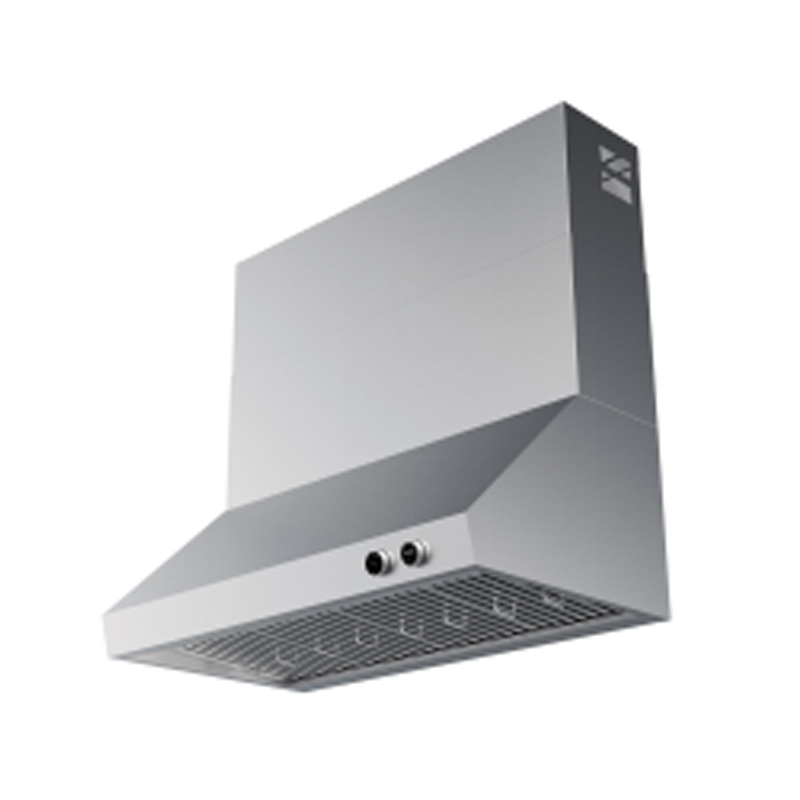
Sizing decisions made at the planning stage are far cheaper to correct than retrofits after cabinetry, ducting, and finishes are in place, which is why airflow and dimensions should be settled before a hood model is chosen.
Calculating CFM: How Much Airflow Your Cooking Load Requires
CFM, or cubic feet per minute, describes how much air a hood can move through its filters and duct. The correct target depends on total burner output, cooking frequency, and whether the range sits against a wall or on an island. As a general planning range, light and occasional cooking on a standard four-burner range calls for roughly 300 to 400 CFM, while daily searing, wok cooking, or a range with a griddle or extra burner pushes the requirement toward 600 CFM. High-output professional-style ranges with multiple burners rated above 15,000 BTU each, or with a center griddle, commonly require 900 to 1,200 CFM to clear steam and grease effectively.
Island installations typically need 15 to 20 percent more airflow than an identical wall-mounted setup, because there is no back wall to help contain rising heat and the plume disperses in more directions before reaching the hood.
| Cooktop Type | Typical Total BTU | Suggested CFM Range |
|---|---|---|
| Standard 4-burner, wall mount | 30,000-40,000 | 300-450 |
| 36 inch range, wall mount | 45,000-55,000 | 450-650 |
| 48 inch professional range | 65,000-90,000 | 750-1000 |
| 60 inch professional range, island | 90,000-125,000 | 1100-1400 |
Matching Hood Width to Range Width: 30, 36, 48, and 60 Inch Guidelines
The core rule
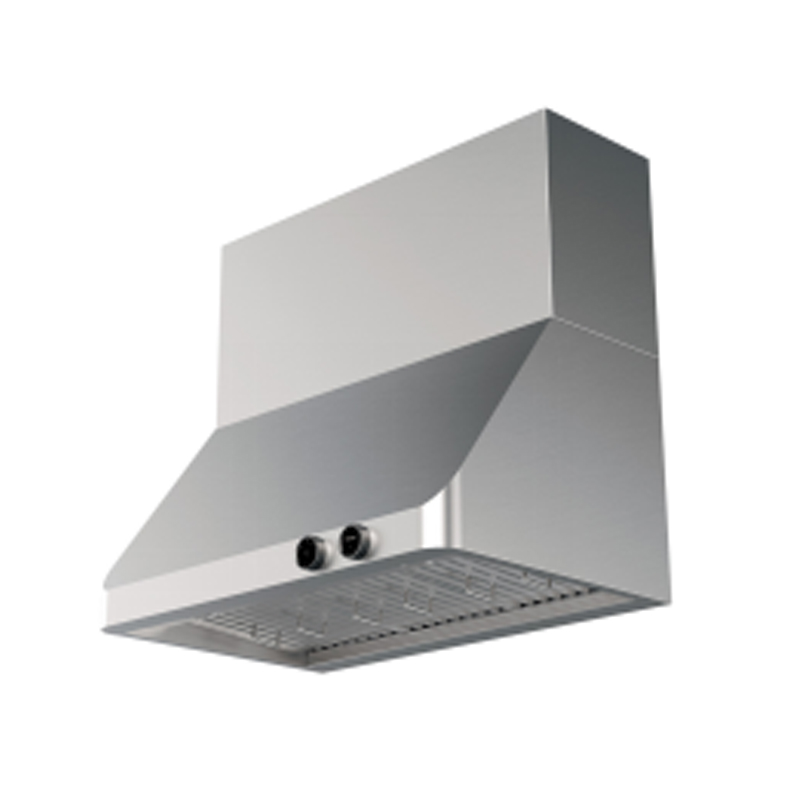
The hood should be at least as wide as the cooktop below it, and in most cases 3 to 6 inches wider on each side is preferable. A hood that matches the range exactly will still lose the outer edges of steam and smoke to side drafts, particularly in open kitchens or near windows and doorways. The 30-inch/36-inch/48-inch/60-inch range hoods commonly used in residential and light commercial kitchens each correspond to a specific range width tier, and choosing the correct tier is one of the fastest ways to eliminate capture problems without increasing CFM.
| Hood Width | Recommended Range Width | Typical Application |
|---|---|---|
| 30 inch | 24-30 inch | Compact kitchens, standard 4-burner ranges |
| 36 inch | 30-36 inch | Most common residential upgrade tier |
| 48 inch | 36-48 inch, includes griddle models | Professional-style wall ranges |
| 60 inch | 48-60 inch, island ranges | Large format and island professional ranges |
Where a range sits on an island rather than against a wall, sizing one full tier larger than the wall-mount recommendation is common practice, since the plume can drift toward any of the four sides rather than being pushed back by a wall.
Mounting Height and Cabinet Clearance Requirements
Mounting height is a balance between capture performance and usability. A hood mounted too low interferes with tall cookware and sight lines; mounted too high, it loses much of its ability to capture rising heat and grease before they disperse into the room. For gas cooking, the accepted range is generally 30 to 36 inches above the burner grates, adjusted upward for higher-output ranges since taller flame plumes need more vertical room before the hood intake takes over. Electric and induction cooktops, which produce a shorter thermal plume, typically allow a slightly lower mounting height of 24 to 28 inches.
Cabinet and side clearance
Beyond the vertical measurement, side clearance to adjacent cabinetry matters for both airflow and fire code compliance. A minimum of 3 inches of open space on either side of the hood body is typical, and non-combustible material such as tile or metal backsplash is usually required within the clearance zone directly behind the burners. For under-cabinet installations, the cabinet opening should match the hood width exactly with no gaps that would allow smoke to bypass the filters and travel up the sides of the unit.
Ventilation Demands of Professional-Style Ranges
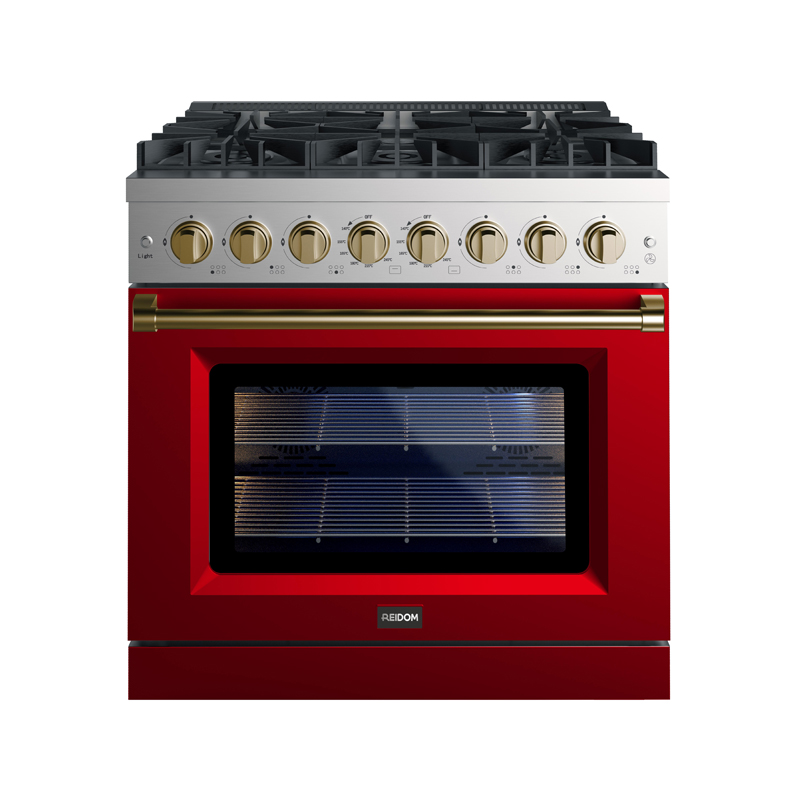
Professional ranges raise every sizing variable at once. Higher per-burner BTU output means a taller, hotter thermal plume; wider bodies with five or six burners plus a griddle mean the hood must cover more surface area; and the added mass of steam from griddle cooking increases the volume of moisture the exhaust system needs to remove per minute. Kitchens built around these ranges should treat 48 or 60 inch hood coverage and 900 to 1,400 CFM as a starting point rather than a maximum, then adjust based on actual burner configuration.
Because professional ranges are frequently installed on islands or peninsulas, the added airflow allowance for open-sided capture described earlier applies here as well. In practice this means a 48 inch professional range on an island is often paired with a 60 inch hood rather than a matching 48 inch unit, specifically to compensate for the loss of a containing back wall.
| Range Configuration | Hood Width Target | CFM Target |
|---|---|---|
| 48 inch, wall mount, 6 burners | 48-54 inch | 800-1000 |
| 48 inch, island, 6 burners | 54-60 inch | 1000-1200 |
| 60 inch, wall mount, griddle | 60-66 inch | 1100-1300 |
| 60 inch, island, griddle | 66-72 inch | 1300-1500 |
Duct Length, Makeup Air, and Noise: The Hidden Variables
A hood rated at 600 CFM on paper rarely delivers that figure in practice once ducting is factored in. Every foot of straight duct, and every elbow or transition, adds resistance that reduces the effective airflow reaching the outdoors. Long runs, tight radius turns, and undersized duct diameter are the most common reasons a correctly sized hood still underperforms after installation.
As a practical guideline, keep duct runs as short and straight as possible, use rigid metal duct rather than flexible duct wherever the layout allows, and limit the number of 90 degree elbows. For systems rated above roughly 400 CFM, most jurisdictions and manufacturers recommend dedicated makeup air, meaning a path for outside air to replace what the hood exhausts. Without it, high-CFM hoods can depressurize a home enough to affect the draft of water heaters, furnaces, or fireplaces.
Noise is the other frequently overlooked variable. Airflow and sound output rise together, so a single high-speed blower rated for peak CFM is often noisier in daily use than a remote or in-line blower of the same capacity, which moves the loudest component out of the kitchen and into an attic or exterior wall cavity.
Choosing a Hood Type: A Side-by-Side Comparison
Once airflow, width, and mounting height are settled, the remaining decision is hood format. Wall-mount chimney hoods and island hoods are the two most common choices for open, higher-output kitchens, and each trades performance characteristics differently.
Wall-mount chimneyIsland hood
Wall-mount chimney hoods generally deliver the strongest airflow performance and the shortest, most efficient duct paths, since the range and hood share a wall with a direct route to the exterior. Island hoods offer more layout flexibility and stronger visual presence but usually require longer duct runs through the ceiling and a wider capture area to compensate for open sides on all four edges.
Quick sizing checklist by kitchen type
| Kitchen Type | Suggested Hood Format | Sizing Priority |
|---|---|---|
| Compact wall kitchen | Under-cabinet or low-profile chimney | Width match, moderate CFM |
| Open-plan wall range | Wall-mount chimney | Width plus 4-6 inch overhang |
| Island with standard range | Island hood | CFM increased 15-20 percent |
| Island with professional range | Large island hood, remote blower | Width, CFM, and makeup air together |
Frequently Asked Questions
Q1: What size range hood do I need for a 30 inch range?
A 30 inch hood is the minimum match, but a 30 to 36 inch hood mounted with a slight overhang on each side will capture side drafts more reliably, particularly in kitchens with cross breezes from nearby windows or doorways.
Q2: Is it better to oversize a range hood than undersize it?
Moderate oversizing on width is generally beneficial for capture, but oversizing CFM without planning for makeup air can create pressure problems in the home. Sizing airflow to the actual cooking load, then rounding up slightly, is more reliable than choosing the highest CFM available.
Q3: How much clearance is required above a gas range?
Most gas ranges call for 30 to 36 inches between the burner grates and the bottom of the hood, with higher-output ranges sitting toward the upper end of that range to allow the taller flame plume room to disperse before reaching the intake.
Q4: Do induction cooktops need less powerful ventilation?
Induction and electric cooktops produce less radiant heat and a shorter thermal plume than gas, which allows for a slightly lower mounting height, but moisture and cooking odors still require adequate CFM, so airflow sizing should be based on cooking style rather than fuel type alone.
Q5: Why does duct length affect the CFM rating I actually get?
Every foot of duct and every elbow adds resistance that the blower must overcome, so the airflow that reaches outdoors is always lower than the hood's rated capacity. Long or bent duct runs should be compensated for by choosing a hood rated above the calculated minimum need.
Q6: What is makeup air and when is it required?
Makeup air is a dedicated path that allows outside air to enter the home to replace air removed by the hood. It becomes important above roughly 400 CFM, since high-capacity exhaust without a replacement air path can depressurize the home and affect other combustion appliances.
Q7: Should an island range use a larger hood than a wall range of the same width?
Yes. Because an island range has no back wall to help contain rising smoke and steam, both the hood width and CFM are typically increased compared to an identical wall-mounted setup, often by one full sizing tier.
Q8: How do I size ventilation for a professional-style range with a griddle?
Treat the griddle section as an additional high-moisture load rather than just extra width. In practice this means selecting hood width to fully cover the griddle plus burners, and setting CFM toward the upper end of the professional range guidance rather than the minimum.
