

 English
 Español
 عربى
عربى







Content
Your kitchen fills with smoke every time you sear a steak or shallow-fry a batch of dumplings. You have tried opening windows and running a portable fan, but the smell lingers for hours and the grease film settles on your cupboards. An under cabinet range hood is often the most practical fix, especially when your existing cabinetry already limits your layout. The good news is that a well-selected model does not have to be complicated: match the CFM to your cooking habits, choose the right width, and confirm the installation clearances. Start with those three points, and you will likely find a hood that keeps your kitchen clean without eating up your budget.
What Makes Under Cabinet Range Hoods Different?
Under cabinet range hoods are mounted directly below the wall cabinet above your cooktop, which means the unit vanishes into your existing kitchen design. Unlike wall-mounted chimney hoods that add a visible tower, or island hoods that hang from the ceiling, an under cabinet model stays low and close to the cooking surface. This position is not just about style. It shortens the capture path, so smoke and steam have less time to drift sideways before being pulled into the filter.
Quick Verdict
If you already have upper cabinets and want a discreet look, under cabinet hoods are the most flexible option. You also keep overhead space intact and reduce the risk of bumping your head in a small kitchen.
There is a practical difference between under cabinet hoods and insert hoods. An insert hood is designed to fit inside a custom enclosure or a hood liner, so you can hide the unit completely and attach a decorative cabinet front. Under cabinet hoods are self-contained boxes that slide under an existing cabinet, making them easier to install in a normal kitchen without custom carpentry. If you plan to keep your cabinets as they are, under cabinet is usually the smarter route.
Key Specs to Check Before You Buy
The two numbers that decide whether a hood will actually clear your kitchen air are CFM and sone. CFM measures the volume of air a hood can move every minute; sone measures how noisy that airflow is. A hood that is too weak will let smoke escape, while a hood that is too strong for your room can be hard to fit into the duct and will be louder than you want.
CFM: Match It to Your Cooktop and Cooking Style
As a starting point, the HVAC standard suggests about 100 CFM of ventilation for every 10 inches of cooktop width. For a 30-inch cooktop, that works out to roughly 300 CFM. In practice, though, your cooking style matters more. If you use only light simmering or induction heating, 300 to 400 CFM is enough. If you regularly sear, wok-cook, or fry, look for 600 to 900 CFM so you can open the window and still keep the air clear.
A simple rule I use with clients is to start with the cooktop type and then adjust for the size of the kitchen. Sizing a range hood by matching CFM and width can be done with a few quick measurements. For a gas cooktop, never undersize; open flame creates more by-products than a smooth electric surface.
| Cooktop Type | Small Kitchen (under 150 sq ft) | Medium Kitchen (150-300 sq ft) | Large Kitchen (over 300 sq ft) |
|---|---|---|---|
| Electric / Induction | 300 CFM | 400 CFM | 600 CFM |
| Gas | 400 CFM | 600 CFM | 800 CFM |
| High-Heat / Commercial | 600 CFM | 800 CFM | 1,000 CFM |
Width is the other non-negotiable. The hood must be at least as wide as your cooktop, and ideally a few inches wider on each side. A 30-inch under cabinet hood covers a 30-inch range comfortably. If you have a 36-inch range or rangetop, step up to a 36-inch or 42-inch hood, because smoke always spills toward the edges of the cooking surface.
In compact homes where cabinet space is limited, a 28-inch insert unit with high CFM can give you the performance of a much larger hood while slipping into a shorter cabinet run. That type of product is worth considering when you want powerful airflow without sacrificing cabinet storage.
Noise is often the second question after performance. Sone is the realistic way to judge hood noise because it reflects what your ear perceives. Many standard under cabinet hoods run between 5 and 7 sone at their highest speed, which is noticeable but manageable. If you prefer quiet ventilation, look for models with a 3 to 4 sone rating on the maximum setting or use lower speeds for everyday cooking.
Ducted vs. Ductless: Which Is Right for Your Kitchen?
The duct route is the most important installation decision you will face. A ducted hood moves the air outside through a pipe and removes grease, smoke, and moisture completely. A ductless hood filters air through charcoal and then returns it to the kitchen. Ductless models are easier to install in an apartment or a kitchen without a roof or wall opening, but they are not a substitute for real ventilation.
If you have a gas cooktop and cook for more than two people, you will almost always get better results from a ducted under cabinet hood. Ductless units are a maintenance fallback, not a primary solution.
| Feature | Ducted | Ductless |
|---|---|---|
| Removes moisture | Yes | Partially |
| Removes smoke | Yes | Partially |
| Installation complexity | Higher | Lower |
| Filter maintenance | Grease filter only | Grease + charcoal filter |
| Best for | Gas, frying, grilling | Light cooking, rentals |
If you want to maximize the airflow through a ducted system, keep the duct run as straight and short as possible. Each elbow or bend reduces effective CFM, and crushed flexible duct can cut performance nearly in half. A rigid round duct of at least 6 inches is the standard choice for under cabinet models.
Installation and Maintenance Considerations
Before you order a hood, measure the gap between your cabinet bottom and the cooktop. A typical under cabinet hood is 18 to 20 inches tall, but the mounting height matters more than the hood height. For an electric cooktop, the bottom of the hood should be about 24 inches above the cooking surface. For a gas cooktop, 24 to 30 inches is the common range to keep flames from being pulled upward. Always check the manufacturer's specification for the exact recommendation.
Installation requires solid support under the cabinet because the hood can weigh 20 to 50 pounds. If the cabinet is only nailed or glued, you may need additional blocking or screws into studs. The power supply also needs to be near the hood, and the duct exit should line up with a clear path to the exterior.
Maintenance is straightforward but easy to ignore. Stainless steel panels should be cleaned with a soft cloth and a mild degreaser to avoid smudges. Grease filters should be washed in hot soapy water about once a month if you cook daily, or every two to three months for lighter usage. Replacing charcoal filters in ductless models typically happens every 6 to 12 months.
For kitchens with continuous frying or grilling, a heavier-duty stainless steel model with dishwasher-safe grease filters and sealed gaskets makes cleaning less of a chore and helps prevent grease from leaking into the cabinet.
Product Recommendations: Under Cabinet Models Worth Considering
The under cabinet category does not mean you have to give up performance. Reidom's range hood collection includes models designed to fit standard cabinet widths while offering CFM levels that match serious cooking. When you're comparing options, focus first on the width that matches your cooktop, then on CFM, sone, and whether the filter system suits your cooking frequency.
- Reidom 30-Inch Stainless Steel Under Cabinet Range Hood
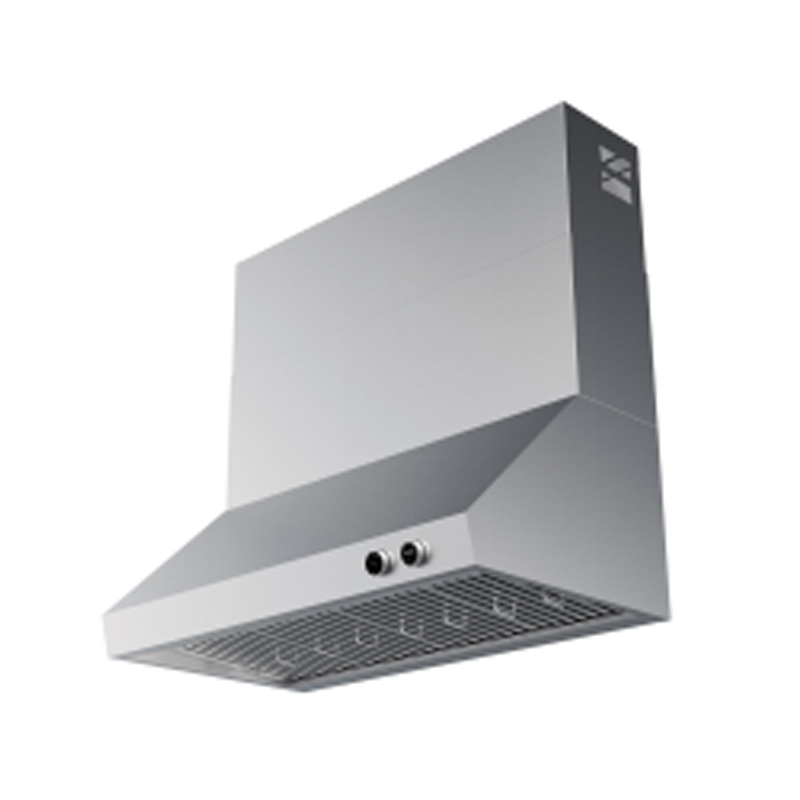 Reidom 30-inch Under Cabinet Range Hood with Stainless Steel Baffle FiltersThis 30-inch under-cabinet hood fits standard cabinet widths and offers strong CFM performance. Its stainless steel body and washable baffle filters make cleanup easy, suitable for kitchens where space is limited but cooking demands are high.View Product → - a balanced option for standard 30-inch gas or electric cooktops, with enough power to handle frequent frying.
 - Reidom 28-Inch Insert Range Hood with 900 CFM
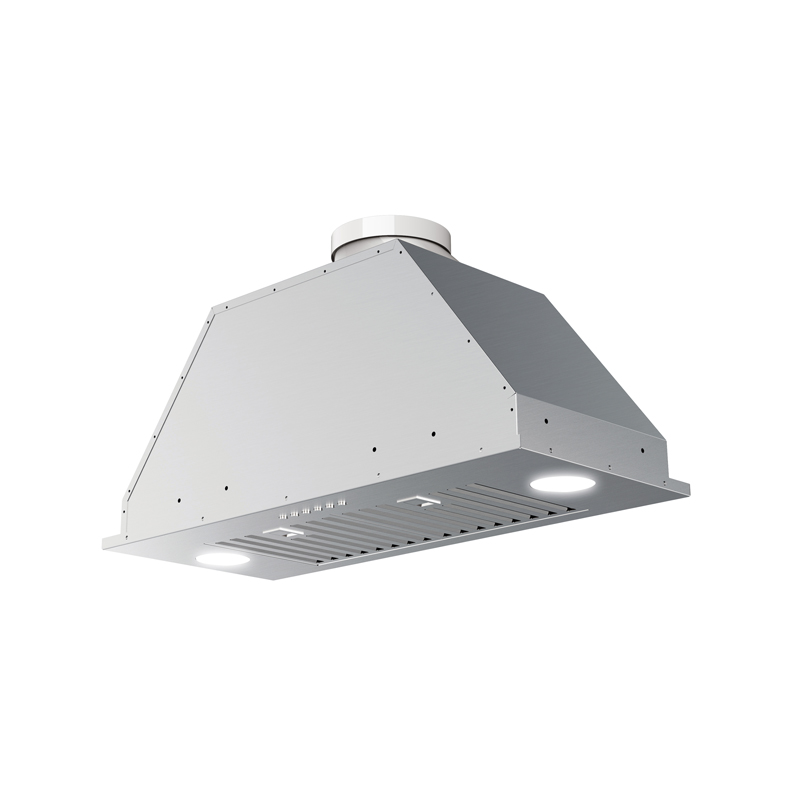 Reidom 28-inch Insert Range Hood with 900 CFM and Stainless Steel FiltersDesigned for a seamless built-in look, this 28-inch insert hood delivers 900 CFM to efficiently remove grease and odors. Its washable stainless steel baffle filters and button controls offer practical, low-maintenance operation for compact kitchens.View Product → - a compact solution for tighter spaces that still delivers high-volume airflow and a discreet profile.
Both models use stainless steel bodies that are easy to clean and accept standard ducting. Choose based on your available cabinet space and the cooktop width you already have.
Frequently Asked Questions
Q1: What is the difference between under cabinet and insert range hoods?
Under cabinet hoods hang directly below a wall cabinet and are ready to install. Insert hoods fit into a custom enclosure or hood liner, so they need surrounding cabinetry or metalwork to look finished. Choose under cabinet for simplicity; choose insert if you want a hidden installation.
Q2: How many CFM do I need for a gas cooktop?
Start with at least 400 CFM for a standard 30-inch gas cooktop. If you sear, stir-fry, or use a wok ring, move up to 600 to 900 CFM. The CFM requirement increases with the cooktop width and the frequency of high-heat cooking.
Q3: Can I install an under cabinet range hood in a small kitchen?
Yes. Many under cabinet hoods are 28 to 30 inches wide and can be mounted under a standard 12-inch deep cabinet. Confirm the cabinet is strong enough to support the weight and that the duct exit is within reach.
Q4: Are under cabinet range hoods good for frying and grilling?
They are effective when you choose a high-CFM model and use a ducted setup. For heavy frying, look for at least 600 CFM and a filter design that captures grease without clogging. Ductless models are not recommended for this type of cooking.
The right under cabinet range hood comes down to three practical choices: a width that matches your cooktop, a CFM rating that matches your cooking style, and a ducted or ductless system that matches your building. If you measure the clearance first and buy from a manufacturer that publishes clear specifications, the result is a kitchen that stays clean, quiet, and comfortable to work in. Start with the smallest holes in your kitchen air quality list, and the rest becomes a simple sequence of measurements.
