

 English
 Español
 عربى
عربى







Content
- 1 What a Convection Microwave Over the Range Actually Does
- 2 Four Specs That Decide Performance
- 3 Convection OTR vs. Standard OTR: The Practical Differences
- 4 Installation Considerations for Convection OTR Microwaves
- 5 Commercial and High-End Home Kitchen Considerations
- 6 Frequently Asked Questions
- 6.0.1 Q1: Can a convection microwave over the range replace a full oven?
- 6.0.2 Q2: How much clearance do I need between the cooktop and the unit?
- 6.0.3 Q3: Does a convection OTR microwave need external venting?
- 6.0.4 Q4: What CFM rating should I look for?
- 6.0.5 Q5: Is a convection OTR microwave safe in a commercial setting?
- 7 Final Checklist Before Buying
The most common mistake when choosing an over-the-range microwave is focusing on the microwave wattage alone while ignoring the ventilation rating. For a convection model, you are buying three appliances in one: a microwave, a small oven, and a range hood. All three need to perform.
The range hood above your cooktop is getting old, and the countertop microwave has been eating into your prep space for years. A convection microwave over the range seems like a practical upgrade: one appliance that handles microwave heating, convection baking, and cooktop ventilation. But these units vary more than the specs suggest. Here is what to check before you buy.
What a Convection Microwave Over the Range Actually Does
An over-the-range convection microwave is not just a microwave with a fan attached. It is a three-in-one appliance.
- Microwave mode: heats, reheats, and defrosts food using 900 to 1,100 watts of microwave power.
- Convection mode: uses a heating element and a circulating fan to bake and roast food, reaching temperatures up to 425°F or higher.
- Ventilation mode: draws smoke, steam, and grease from the cooktop and vents them outside or through a charcoal filter.
The real advantage is space. Instead of installing a separate range hood and finding counter space for a microwave, you use one spot above the range. The risk is that some models treat the fan as a secondary feature. If the vent is underrated, the whole kitchen takes the hit.
Microwave heating Convection baking Cooktop ventilation
Four Specs That Decide Performance
If you are comparing different models, these four numbers matter more than the brand name.
Microwave Wattage
Most over-the-range microwaves deliver 900 to 1,100 watts. Below 900 watts, defrosting and reheating become slow and uneven. Above 1,100 watts, the difference is small for daily tasks.
Convection Wattage and Peak Temperature
The convection element should provide at least 1,300 to 1,600 watts. The cavity needs to reach 425°F and hold that temperature. When the peak temperature is lower, roasting and baking take longer and browning is weaker. This spec separates a true convection microwave from a reheat-only unit.
Capacity and Turntable Size
Capacity in cubic feet tells you the total volume, but the turntable diameter is what matters in daily use. A 1.6 cubic foot cavity with a 13-inch turntable is more practical than a 1.8 cubic foot model with a small plate. Make sure a standard dinner plate rotates freely.
The fourth number is the ventilation CFM. For a gas cooktop, 300 to 400 CFM is the baseline. For high-heat searing, wok cooking, or a high-output professional range, 600 to 900 CFM is much more comfortable. If the unit only recirculates air, the effective performance drops. If your cooking needs exceed what a built-in vent can handle, a separate under-cabinet range hood can take over the exhaust duty.
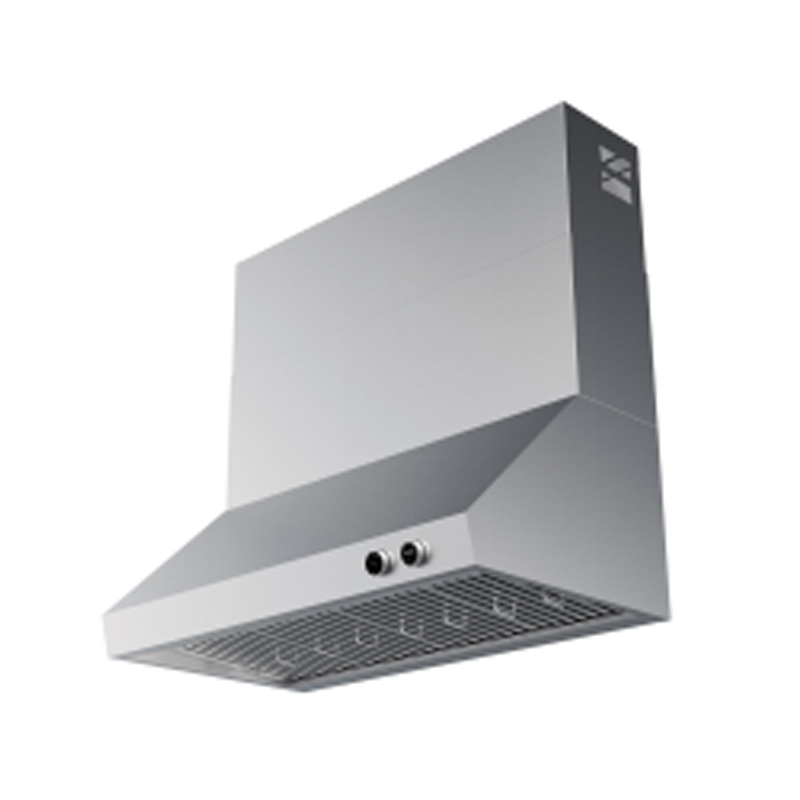 Reidom 30-Inch Stainless Steel Under Cabinet Range Hood with Button Controls and Washable Baffle FiltersThis 30-inch under-cabinet hood offers a practical ventilation solution for compact kitchens, featuring durable stainless steel construction, simple button controls, and washable baffle filters that simplify maintenance while keeping cooking fumes and grease under control.View Product →
Convection OTR vs. Standard OTR: The Practical Differences
A convection OTR microwave costs more than a standard OTR unit, so it makes sense to know exactly what the extra money buys.
| Feature | Standard OTR | Convection OTR |
|---|---|---|
| Heat modes | Microwave only | Microwave plus convection |
| Baking and roasting | Not available | Supported up to 425°F |
| Reheating and defrosting | Strong | Strong |
| Ventilation | Built-in fan | Built-in fan |
| Best for | Small kitchens, simple reheating | Kitchens that need a second oven |
| Typical footprint | 30-inch width | 30-inch width, often deeper |
If your kitchen already has a wall oven and a range hood, a standard OTR microwave might be all you need. If you are replacing a countertop microwave and want to gain oven-like capability, the convection version is worth the extra cost.
Installation Considerations for Convection OTR Microwaves
Installing a convection OTR microwave is not the same as placing a countertop unit. Several clearances and electrical details need to be right.
- Mounting height: the bottom of the unit should sit 18 to 24 inches above the cooktop. Too high makes the interior hard to see; too low exposes the unit to steam and grease.
- Electrical circuit: a dedicated 120V, 15A circuit is usually enough. A convection model with a strong heating element may need a dedicated 20A circuit, especially if the microwave and convection element can run together.
- Vent direction: check the duct routing before purchase. Most OTR units support vertical and horizontal venting, but not all support both. If your kitchen only allows recirculating installation, plan to replace the charcoal filter regularly.
- Cabinet depth and height: a convection OTR microwave is often deeper than a standard model. Measure the upper cabinet depth and the clear space between the countertop and the cabinet underside so the unit fits without touching the range.
If your layout does not allow a wall-mounted OTR unit, a built-in microwave oven is an alternative that integrates into a tall cabinet. That route shifts the ventilation job to a separate range hood, so the hood choice becomes equally important. For a closer look at built-in microwave functions, this industry guide on built-in microwave features explains what to examine.
Commercial and High-End Home Kitchen Considerations
Commercial kitchens and high-end home kitchens do not use an OTR microwave the same way. The unit runs longer each day and must survive repeated cleaning, grease, and heat.
- Build material: stainless steel is easier to clean and resists heat damage better than painted plastic. Check the door frame, the interior cavity, and the handle.
- Filter access: a washable grease filter saves money. If the filter sits behind a removable grille, cleaning is a two-minute job. If it needs unscrewing, it will not get cleaned as often.
- Serviceability: for commercial use, choose a model with readily available replacement parts such as the door switch, fan motor, and turntable motor. This reduces downtime.
- Noise level: a loud fan in a busy kitchen is easy to ignore, but in a high-end home kitchen it becomes a problem. Look for a unit with a low sones rating.
If you already have a dedicated range hood and need only a microwave for reheating, a standalone microwave may be the simpler option. But if you want oven-like capability and venting in one spot, the convection OTR route is more complete.
Frequently Asked Questions
Q1: Can a convection microwave over the range replace a full oven?
It replaces a countertop convection oven for small meals, but not a full-size wall oven or range oven. The cavity height is usually 10 to 12 inches, so large roasts and multi-rack baking are not practical.
Q2: How much clearance do I need between the cooktop and the unit?
Most manufacturers recommend 18 to 24 inches. If your cooktop has a high backguard or a high-output burner, use the upper end of that range.
Q3: Does a convection OTR microwave need external venting?
No. Many models support both recirculating and externally vented installation. For high-heat cooking, external venting removes grease and heat much more effectively.
Q4: What CFM rating should I look for?
300 to 400 CFM is the baseline for a gas range. For heavy cooking, choose 600 CFM or more. If the built-in fan cannot match your range output, adding a separate under-cabinet range hood is a smart move.
Q5: Is a convection OTR microwave safe in a commercial setting?
Yes, provided the unit is built for heavier use. Look for stainless steel, washable filters, and accessible replacement parts. For high-volume operations, a dedicated range hood plus a standalone microwave may be easier to maintain and replace individually.
Final Checklist Before Buying
A short checklist saves you from repeating the same search twice.
- Measure the width, depth, and height above your range.
- Check the microwave wattage and the convection wattage separately.
- Inspect the turntable diameter and the usable cavity height.
- Confirm the ventilation CFM and whether external ducting is possible.
- Verify that the electrical circuit can handle the combined load.
- Look for washable filters and easy access to them.
- Choose stainless steel for low-maintenance daily use.
A convection microwave over the range is a practical upgrade when the specs line up. Pay attention to the ventilation rating and the cavity dimensions, and you will end up with an appliance that performs for years to come.
