

 English
 Español
 عربى
عربى







Content
- 1 The Critical Importance of Correct Range Hood Height
- 2 Standard Range Hood Height Guidelines by Cooktop Type
- 3 Ventilation Dynamics for High-Output Cooktops
- 4 Variables Influencing Hood Placement Calculations
- 5 Technical Installation Requirements and Validation
- 6 Evaluating Incorrect Installation Heights
- 7 Frequently Asked Questions
- 7.0.1 Q1: What occurs if the range hood is installed higher than 36 inches above a gas cooktop?
- 7.0.2 Q2: Can the height of a hood fan above a stove be identical for induction and gas appliances?
- 7.0.3 Q3: How does the depth of the range hood canopy affect the final height calculation?
- 7.0.4 Q4: Is a flexible duct acceptable if the standard range hood height is perfectly maintained?
- 7.0.5 Q5: How do local building codes impact over the stove clearance specifications?
The Critical Importance of Correct Range Hood Height
Achieving the precise kitchen range hood height is not merely a matter of aesthetic balance; it is a fundamental engineering requirement for residential kitchens. The distance between range and hood directly impacts capture efficiency, fire safety, and appliance longevity. When a kitchen range hood is installed too low, it creates an immediate safety hazard, capturing excessive heat that can damage internal components or ignite accumulated grease. Conversely, mounting a range hood too high allows effluent pluming to escape into the ambient living space, leading to moisture buildup, lingering odors, and persistent grease film on cabinetry.
Ventilation dynamics depend on capturing thermal plumes before they disperse. As cooking surface temperatures rise, grease, steam, and combustion byproducts expand rapidly in a conical path. The primary objective of a range hood installation guide is to instruct installers on positioning the capture aperture within this expansion zone. By aligning the physical boundaries of the hood with the natural expansion rate of the cooking effluents, homeowners can maintain optimal indoor air quality without placing unnecessary strain on the ventilation motor.
Standard Range Hood Height Guidelines by Cooktop Type
The baseline standard range hood height varies distinctly based on the energy source powering the cooking appliance underneath. Electric cooktops, including radiant, coil, and induction systems, generate predictable vertical heat patterns without open combustion. This allows for a lower electric cooktop hood height clearance, generally spanning between 24 and 30 inches. This proximity ensures rapid capture of steam and airborne grease particles before they cool and settle onto kitchen surfaces.
Gas cooking appliances demand a more cautious approach due to the presence of open flames and the production of carbon monoxide and other ambient combustion outputs. Consequently, the minimum gas range clearance must be expanded to safeguard the mechanical and electrical elements inside the ventilation unit. The traditional height of hood fan above stove surfaces powered by gas ranges between 30 and 36 inches. This safety gap prevents high thermal outputs from warping aluminum mesh filters or melting internal wiring assemblies.
| Cooktop Type | Minimum Height Requirement | Maximum Height Limit | Primary Engineering Limitation |
|---|---|---|---|
| Electric Radiant / Coil | 24 Inches | 30 Inches | Thermal Plume Dispersion |
| Induction Cooktop | 24 Inches | 30 Inches | High Moisture Content Capture |
| Standard Gas Range | 30 Inches | 36 Inches | Open Flame Combustion Safety |
| High-Output Gas Range | 32 Inches | 36 Inches | Extreme Thermal Loading |
Ventilation Dynamics for High-Output Cooktops
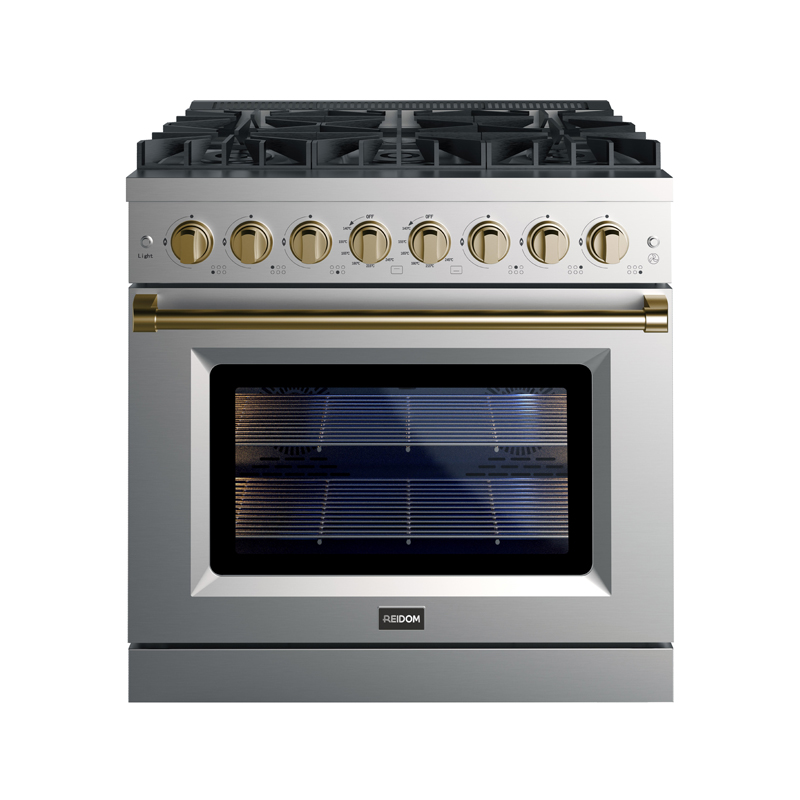
When dealing with heavy-duty cooking setups, standard ventilation rules must be adapted. Heavy-duty cooking platforms, often designated as Professional Ranges, generate significant thermal loads measured in British Thermal Units. These setups require meticulous planning regarding the height of range hood above stove grates. Because these burners can collectively produce high heat outputs, the volume of rising air accelerates rapidly, necessitating a higher clearance and a robust blower assembly to handle the severe upward draft.
To offset the expanded distance between range and hood required by high-output burners, the ventilation apparatus must possess deep coverage areas and enhanced airflow capacities. The optimal ventilation distance for these specialized setups leans heavily toward the 32 to 36-inch boundary. Installing a hood lower than 32 inches above high-output gas burners risks overheating internal electronics and invalidating building safety certifications, while extending past 36 inches requires an oversized capture canopy to catch expanding plumes.
Variables Influencing Hood Placement Calculations
Determining the perfect positioning for your kitchen ventilation setup involves balancing manufacturer requirements, regional codes, and ergonomics. When executing a range hood installation guide layout, engineers and kitchen designers evaluate several independent factors:
- Total Blower Capacity: Higher Cubic Feet per Minute capacities create stronger drafts, allowing for slightly higher placement parameters.
- Sump Depth and Canopy Volume: Deeper hoods capture expanding smoke reservoirs more effectively than thin profile models.
- Blower Core Design: External or inline remote blowers alter intake velocity at the filter surface compared to standard internal fans.
- User Ergonomics and Line of Sight: Taller cooks require strategic clearance planning to prevent physical obstruction during food preparation.
- Makeup Air Systems: The presence of dedicated balance dampers alters local pressure fields, modifying smoke capture pathways.
Neglecting user height can result in an ergonomic hazard where the front lower lip of the canopy blocks the cook's view of rear burners. In residential layouts, prioritizing an unobstructed view of cooking vessels must be balanced with flame containment rules. Adjusting the hood depth or opting for a tapered profile can alleviate visibility issues while preserving the required over the stove clearance.
Technical Installation Requirements and Validation
During the physical phase of mounting a range hood, precision measuring prevents systemic structural vibration and early mechanical wear. Ensure that wall anchoring studs can support the weight of both the internal blower motors and the stainless steel housing. If alignment with structural studs is unfeasible, install reinforcing structural support plates behind the drywall surface rather than relying entirely on light toggle bolts.
Duct configuration plays an essential role in preserving the benefits of your carefully calculated kitchen range hood height. Use smooth-walled rigid galvanized steel or premium aluminum pipes instead of flexible corrugated ducting. Flexible lines create significant friction, causing air turbulence that degrades system efficiency and increases sound levels. Maintain a straight run directly to the outside wall or roof termination cap, avoiding restrictive sharp bends near the transition point.
Evaluating Incorrect Installation Heights
Departing from established height of range hood above stove parameters introduces distinct operational challenges. When the distance is inadequate, thermal expansion fields overwhelm filter surfaces, causing grease buildup that restricts internal airflow. This restricted airflow increases motor operating temperatures, causing thermal overload switches to trip and accelerating component wear over time.
Extending the distance beyond the manufacturer specified limits significantly degrades containment capability. For every inch a canopy is raised past its engineered threshold, the velocity of air at the cooking surface decreases exponentially, allowing cross-drafts to scatter grease particles throughout the home.
This performance drop cannot be fully resolved by simply running the blower at its highest speed setting. While increasing the fan speed can slightly improve containment, it also raises noise levels and increases energy use. Ensuring the correct initial height of hood fan above stove grates remains the most effective way to maintain proper ventilation without excessive noise.
Frequently Asked Questions
Q1: What occurs if the range hood is installed higher than 36 inches above a gas cooktop?
Mounting the ventilation system beyond the 36-inch boundary causes the thermal plume to cool and disperse before entering the suction field. Ambient cross-drafts in the kitchen easily redirect smoke and grease away from the intake filters, allowing contaminants to settle onto nearby upper cabinetry and ceiling surfaces.
Q2: Can the height of a hood fan above a stove be identical for induction and gas appliances?
No, they require different considerations. Induction cooktops do not produce ambient waste heat or combustion byproducts, allowing for a lower installation height of 24 to 30 inches to capture steam. Gas appliances generate open flames and high thermal loads, requiring a minimum clearance of 30 inches to protect internal components from heat damage.
Q3: How does the depth of the range hood canopy affect the final height calculation?
Deep, professional-style canopies provide a larger collection reservoir for rising smoke, allowing for installation closer to the upper 36-inch limit. Shallow or low-profile designs have limited storage capacity, requiring closer proximity to the cooking surface to capture plumes effectively before they spill over the edges.
Q4: Is a flexible duct acceptable if the standard range hood height is perfectly maintained?
No, flexible corrugated ducting should be avoided regardless of installation height. The ridged interior surfaces of flexible pipes create significant airflow resistance and collect grease deposits, which decreases blower efficiency and creates a potential fire hazard over time.
Q5: How do local building codes impact over the stove clearance specifications?
Local building codes establish mandatory fire safety clearances that override general recommendations. Many jurisdictions enforce specific minimum distances to combustible materials above open flames, meaning installation heights must comply with these legal safety regulations first.
