

 English
 Español
 عربى
عربى






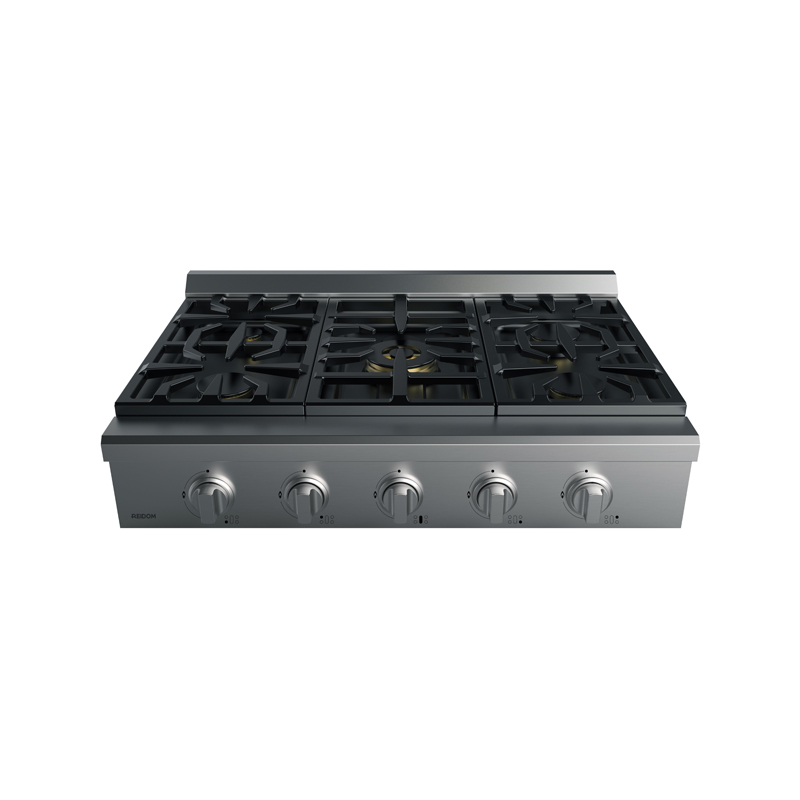
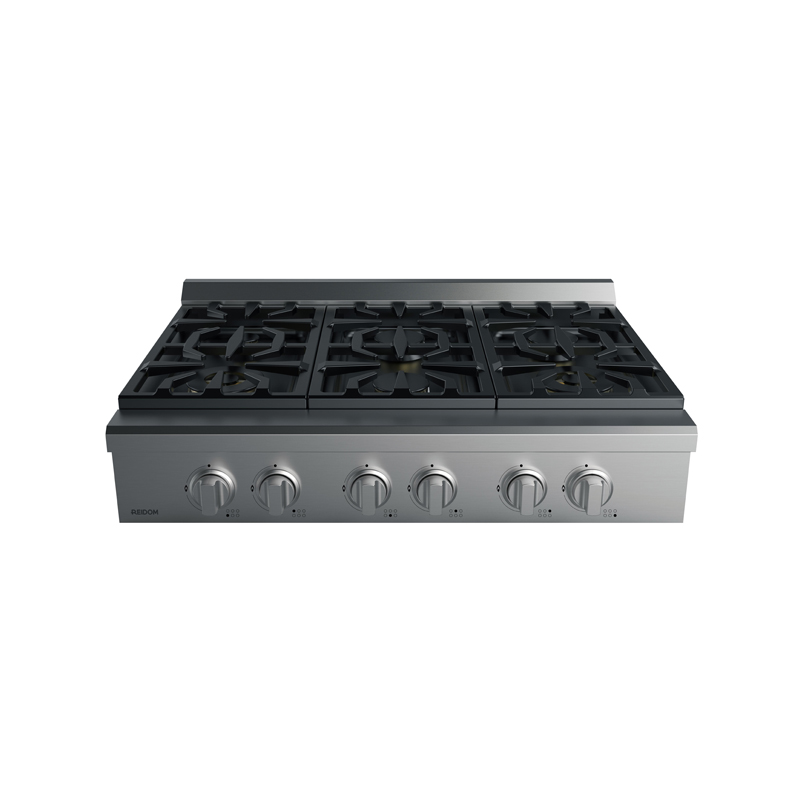

What Features Make a Professional Kitchen Rangetop Stand Out?
In the fast-paced, demanding environment of a professional kitchen, the choice of cooking equipment is crucial. Different types of cooking countertops play a key role in improving efficiency and food quality.
Functionality: Tailoring Your Cooking Experience
Gas and electric range tops serve distinct but complementary roles in the kitchen. Gas cooktops are favored for their immediate heat control, making them the go-to choice for chefs who require rapid temperature adjustments. On the other hand, electric range tops provide consistent and even heat, ideal for tasks that demand precision, such as simmering or delicate cooking techniques.
Commercial Gas Rangetop: These units are designed for high-traffic kitchens, offering superior durability and multiple burners for extensive cooking needs. They are built for heavy-duty performance, making them indispensable in restaurants and large-scale cooking operations.
Modular Cooking Surfaces: One of the most flexible types of cooktops, modular cooking surfaces allow chefs to combine different heating elements—gas, electric, induction, or even griddles—within the same unit. This versatility makes them perfect for specialized kitchens that need multi-functional equipment.
High-Efficiency Cooktop: These cooktops optimize energy use by efficiently distributing heat across the cooking surface, reducing energy waste. They are designed with eco-conscious consumers and high-volume cooking environments in mind.
Professional Kitchen Rangetop: A high-end product often found in gourmet kitchens, these rangetops combine both gas and electric elements for maximum flexibility. Their robust design ensures that they can withstand rigorous usage while maintaining a sleek, modern aesthetic.
Material Comparison: Strength and Durability
The material of a cooktop greatly influences its durability, heat retention, and overall cooking performance. Let’s compare the common materials used in cooking surfaces:
| Material | Strengths | Considerations |
|---|---|---|
| Stainless Steel | Corrosion-resistant, easy to clean, and durable | May be prone to scratching with heavy use |
| Cast Iron | Excellent heat retention, ideal for high-heat cooking | Requires maintenance to avoid rusting |
| Ceramic Glass | Sleek appearance, easy to maintain | Can be prone to cracking under extreme heat |
| Aluminum | Lightweight and heat-conductive | Less durable than stainless steel |
For professional kitchen rangetops, stainless steel is a preferred choice due to its resilience, heat distribution properties, and ease of maintenance. It’s common in both gas cooktops and electric range tops, ensuring durability while withstanding the rigors of high-traffic kitchens.
Maintenance: Ensuring Longevity
Proper maintenance of your cooking surfaces is essential to extending their lifespan and ensuring consistent performance. Regular cleaning and inspection can prevent issues such as grease buildup, burner clogging, or uneven heating.
Gas Cooktops require regular cleaning of the burners and ignitors, as these areas tend to accumulate food debris and grease. Also, it’s vital to check for gas leaks periodically.
Electric Range Tops often require less intensive cleaning. Since they have no open flames, there’s less risk of grease catching fire. However, the heating elements can accumulate food debris, which requires routine wiping.
Modular Cooking Surfaces need careful attention to ensure the different modules function properly. Depending on the type of cooking surface (gas, electric, induction), each component requires specific care instructions to avoid wear and tear.
High-Efficiency Cooktops often come with features that make maintenance easier. Their design prioritizes cleanability, helping to reduce the need for frequent maintenance.
Choosing the Right Cooktop for Your Needs
Selecting the right cooking surface depends on several factors, including your cooking style, kitchen size, and energy preferences. Here are some guidelines:
- For Quick Cooking & Precision Heat Control: Gas cooktops and professional kitchen rangetops are ideal.
- For Energy Efficiency & Consistency: Electric range tops or high-efficiency cooktops are excellent choices.
- For Versatility: Modular cooking surfaces provide unmatched flexibility for multi-functional cooking.
- For Durability: Commercial gas rangetops offer unmatched endurance in demanding environments.
The Role of Leading Manufacturers in the Kitchen Appliance Industry
At Zhejiang Reidom Electric Appliance Co., Ltd., we are committed to advancing the kitchen appliance industry by integrating cutting-edge technology with robust design. With a strong R&D team capable of developing customized products according to client specifications, we ensure that our cooktops meet the highest standards of quality and performance.
Our products are made in-house using our own foundry and processing plant, ensuring cost efficiency while maintaining exceptional product quality. The introduction of intelligent manufacturing technologies, such as automated production lines and robot welding, enables us to achieve large-scale, precision manufacturing, which is essential for the mass production of high-end kitchen appliances.
Conclusion
Whether you’re outfitting a home kitchen or equipping a professional culinary space, selecting the right cooktop or rangetop is essential to your kitchen’s efficiency and performance. From gas cooktops to modular cooking surfaces, each product has unique advantages, and understanding these features will guide you in making the best choice for your needs.
