

 English
 Español
 عربى
عربى






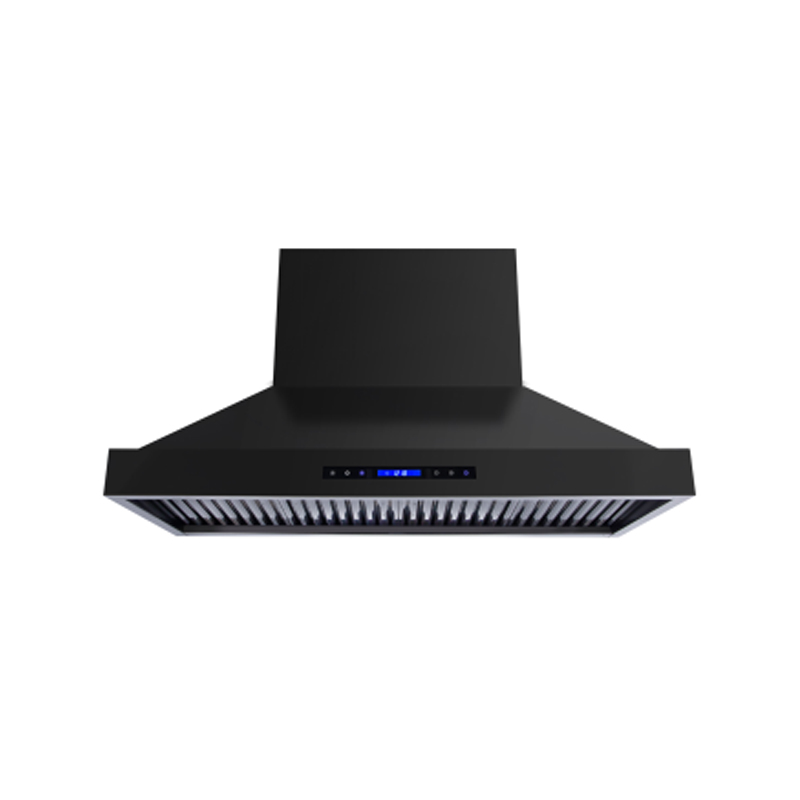
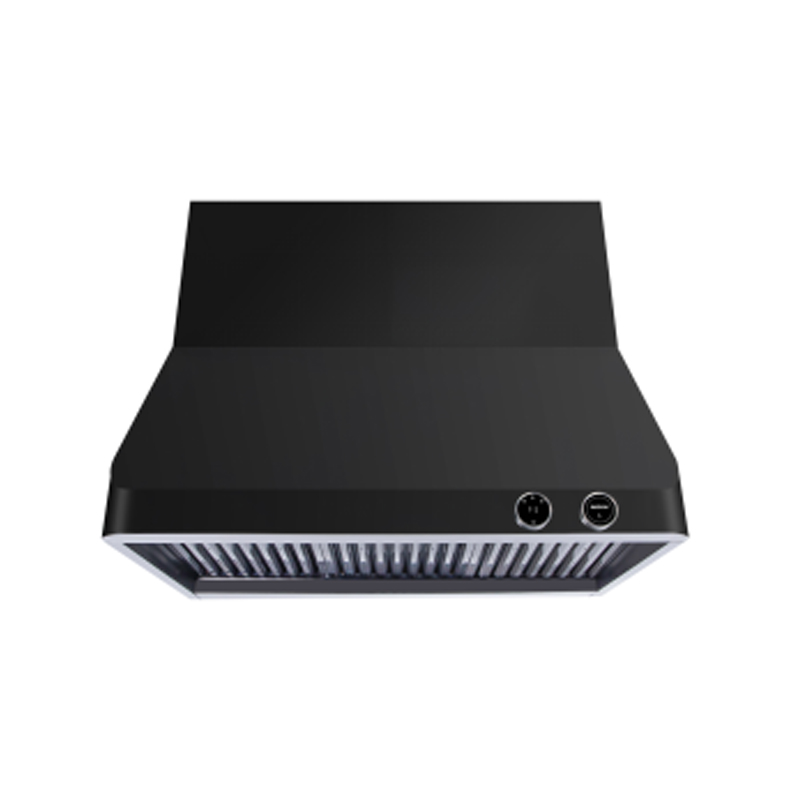
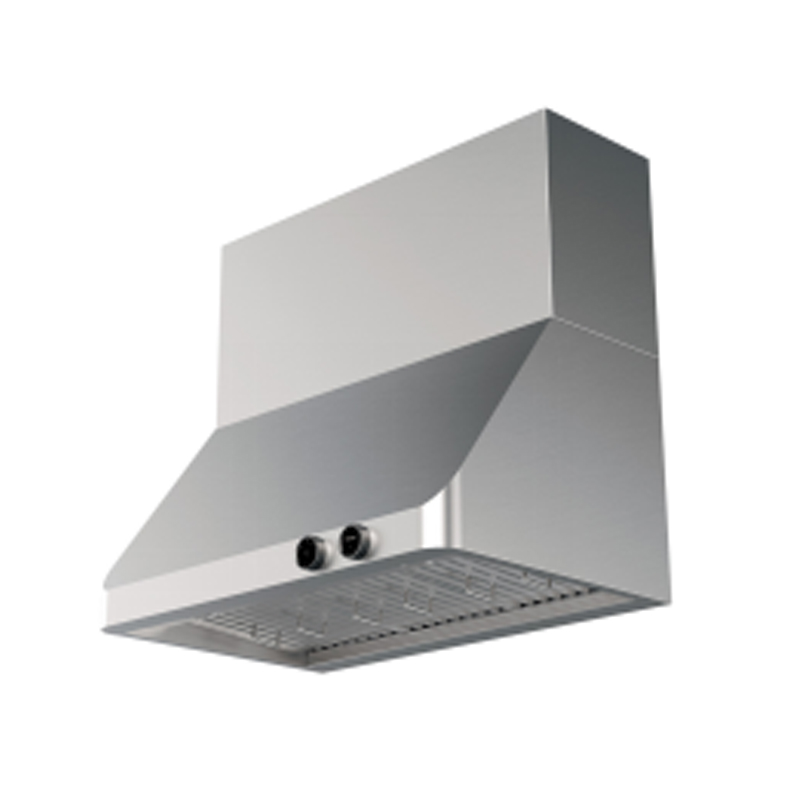
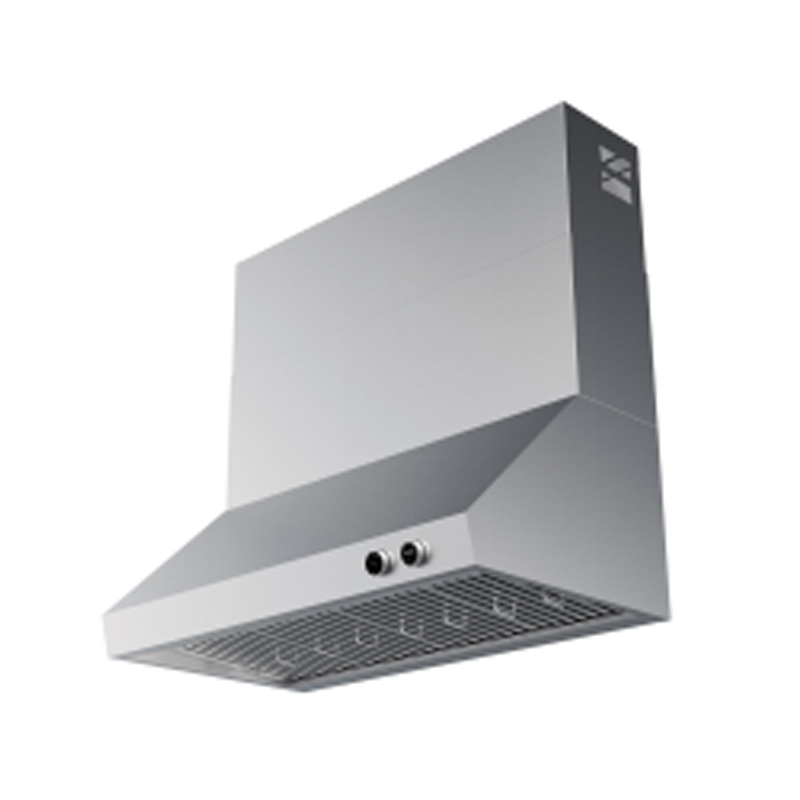
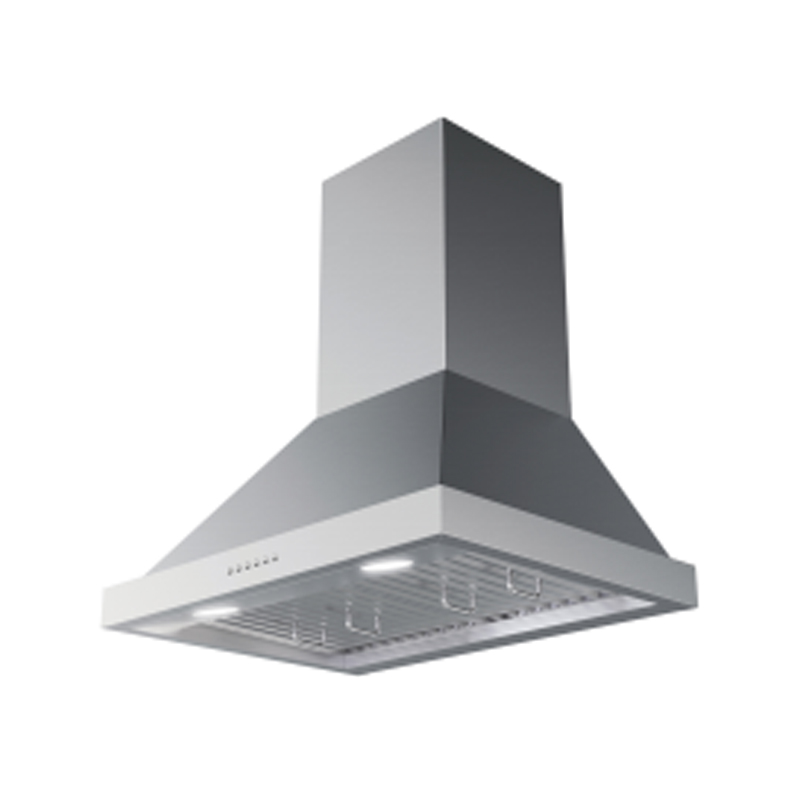
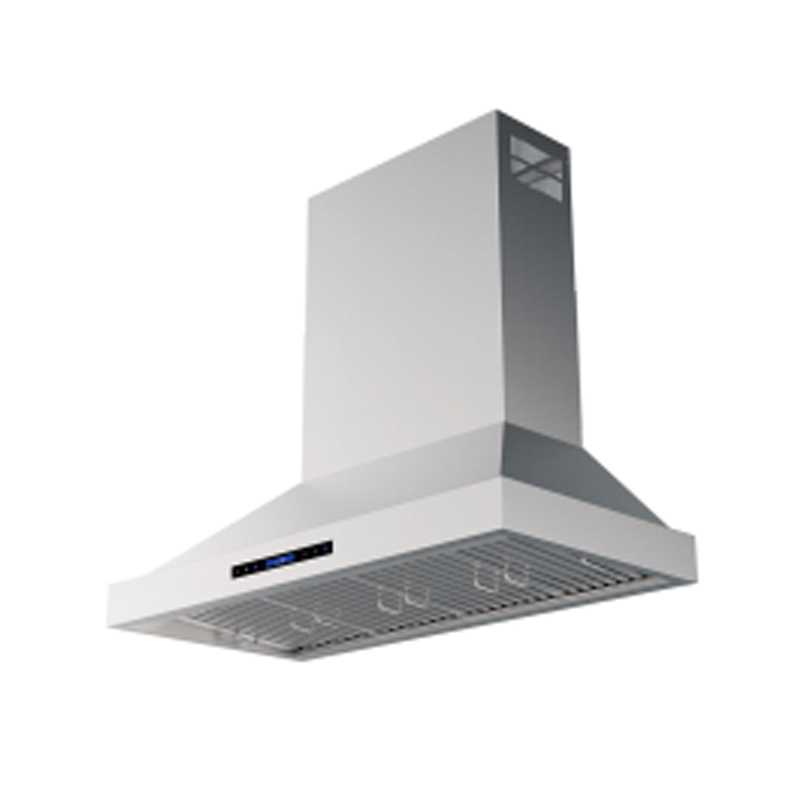
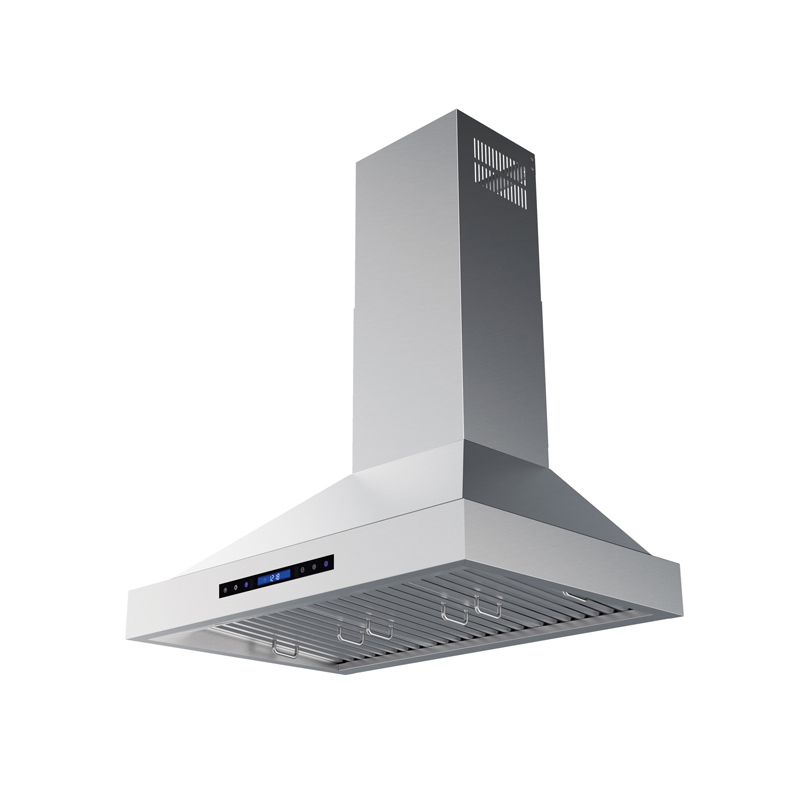
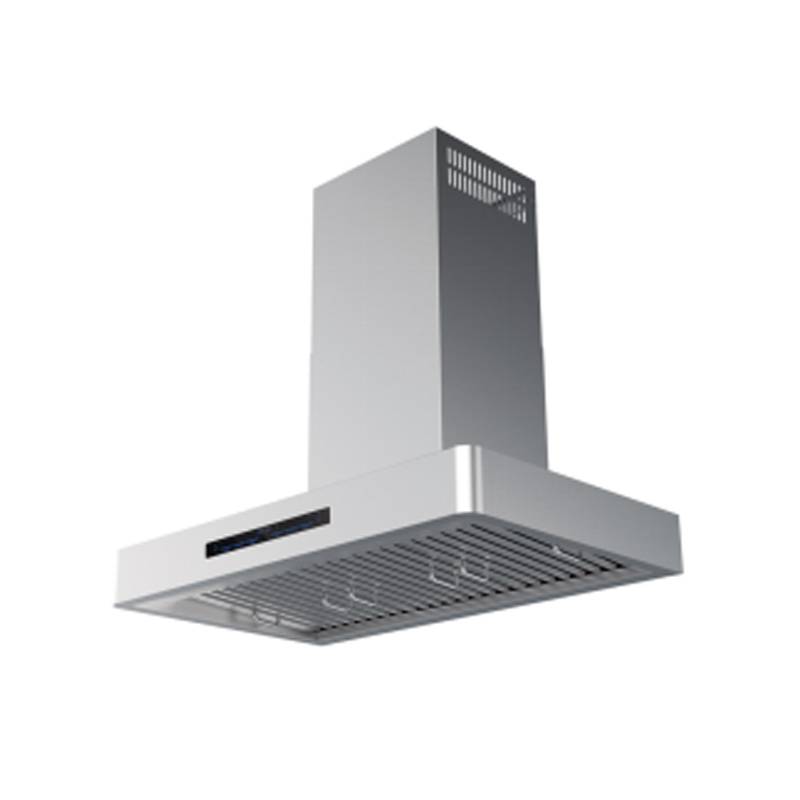
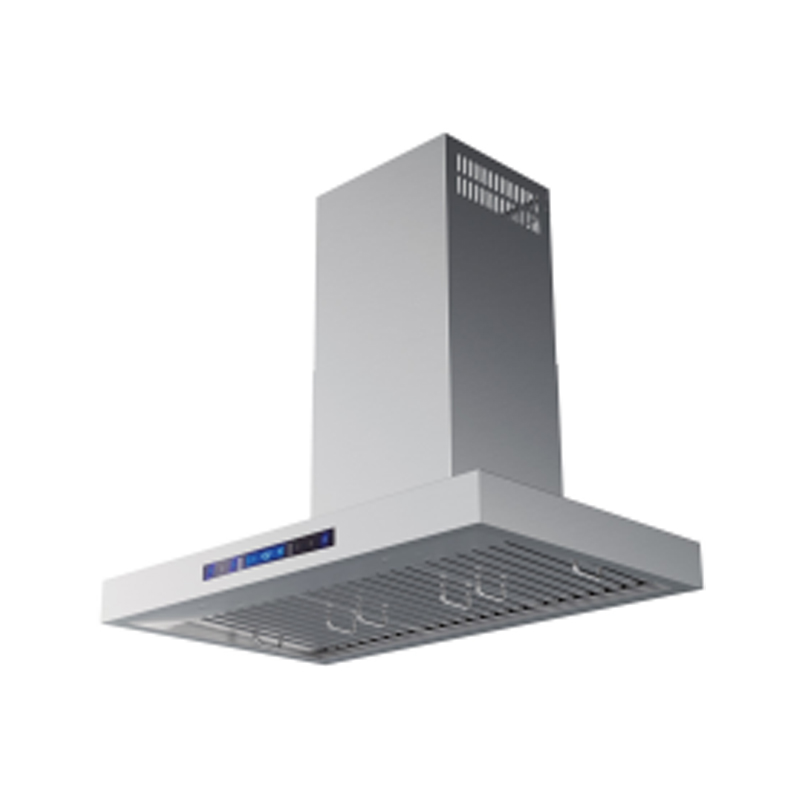
What are the differences between wall-mounted and island Kitchen Range Hood?
Introduction to Kitchen Ventilation Systems
Proper kitchen ventilation is a critical aspect of modern culinary spaces. Efficient ventilation not only removes odors, smoke, and airborne grease particles but also ensures a healthier cooking environment. Among the most common solutions are wall mount range hood, stainless steel range hood, commercial range hood, and kitchen hood with baffle filter. Each of these hoods offers specific advantages tailored to different kitchen configurations, usage patterns, and aesthetic preferences.
Wall-mounted hoods are typically installed against the kitchen wall above cooking surfaces, while island hoods are designed for freestanding cooktops or kitchen islands. Choosing between these two requires careful consideration of kitchen layout, cooking habits, and airflow requirements. Zhejiang Reidom Electric Appliance Co., Ltd. offers a comprehensive range of stainless steel range hood designs, including Tower, F, T, and Trapezium shapes, ensuring both functional efficiency and aesthetic harmony.
Design and Aesthetic Differences
When selecting a kitchen range hood, the design is a primary factor influencing both functionality and visual appeal. Wall mount range hood units are fixed against the wall, creating a streamlined look that integrates seamlessly with cabinetry. Their shapes can vary from traditional pyramid to modern angular forms, allowing them to complement a wide range of kitchen styles. Stainless steel range hood variants, in particular, provide a durable and corrosion-resistant surface, making them a popular choice for both domestic and commercial kitchens.
In contrast, island hoods are suspended from the ceiling above freestanding cooktops. These units often feature more elaborate designs, serving as focal points in open-concept kitchens. While aesthetically striking, they generally require more precise measurements and structural support to ensure proper installation. Zhejiang Reidom Electric Appliance Co., Ltd. manufactures island and wall-mounted hoods with a focus on elegant geometry and functional placement, ensuring that kitchen aesthetics are preserved without compromising performance.
Table: Comparison of Wall-Mounted and Island Hoods
| Feature | Wall-Mounted Hood | Island Hood |
|---|---|---|
| Installation | Fixed to wall | Suspended from ceiling |
| Design Flexibility | Standard shapes and widths | Freestanding designs, visually prominent |
| Integration with Cabinets | Seamless integration | May require decorative elements |
| Kitchen Layout | Best for linear setups | Ideal for open-plan kitchens |
| Maintenance Accessibility | Easy to reach filters | May require ladder or step stool for filter access |
Technical Performance and Airflow Efficiency
Airflow efficiency is one of the most critical considerations when evaluating wall mount range hood and island hoods. The efficiency of a hood depends on factors such as fan capacity, duct design, and filter system. Stainless steel range hood models from Zhejiang Reidom Electric Appliance Co., Ltd. feature advanced touch controls and body sense detection, allowing precise regulation of airflow according to cooking intensity. These hoods provide high-performance suction to remove smoke and grease effectively, maintaining indoor air quality.
Commercial range hood units are engineered for higher-capacity ventilation, often required in restaurant or large-scale culinary environments. These hoods utilize robust fans, optimized ductwork, and efficient grease extraction mechanisms. One essential feature of these units is the kitchen hood with baffle filter, which captures grease and oil particles more efficiently than mesh filters. Baffle filters also facilitate easier cleaning and maintain airflow consistency over time.
List: Key Technical Features of Wall-Mounted and Island Hoods
- Adjustable fan speed controls for customized ventilation.
- Washable kitchen hood with baffle filter for easy maintenance.
- LED lighting for clear visibility of cooking surfaces.
- Noise reduction engineering for quieter operation.
- Durable stainless steel range hood body to resist corrosion and grease accumulation.
- Advanced sensor technology to detect heat and steam levels automatically.
Installation Requirements and Considerations
The installation process for wall mount range hood and island hoods differs significantly. Wall-mounted units are attached directly to kitchen walls, often supported by the cabinetry or wall studs. This installation type is generally simpler and more accessible for maintenance, making it a preferred option for most residential kitchens.
Island hoods require ceiling support and precise alignment with the cooking surface. The ducting system must be carefully planned to ensure optimal suction efficiency while maintaining a clean ceiling appearance. Commercial range hood installations are more complex due to the larger airflow capacity and ductwork required. Zhejiang Reidom Electric Appliance Co., Ltd. provides detailed installation guidelines and flexible customization options, allowing units to be adapted to specific kitchen layouts.
Installation Checklist for Wall-Mounted Hoods
- Ensure the hood is centered over the cooking surface.
- Verify wall studs or reinforcement for secure mounting.
- Connect to appropriate ducting and ventilation outlet.
- Ensure electrical supply meets manufacturer specifications.
- Test suction and lighting before finalizing installation.
Installation Checklist for Island Hoods
- Verify ceiling strength for suspension points.
- Align hood precisely with island cooktop.
- Plan for ductwork to minimize bends and airflow resistance.
- Confirm height from cooktop surface (typically 28-36 inches).
- Test air extraction and sensor functionality post-installation.
Maintenance and Durability
Maintaining a wall mount range hood or an island hood is crucial for ensuring long-term performance. Kitchen hood with baffle filter systems are particularly advantageous, as they capture grease efficiently while being simple to clean. These filters are dishwasher-safe, reducing maintenance time and ensuring sustained airflow efficiency.
Stainless steel range hood bodies are resistant to corrosion and easy to wipe clean, making them ideal for both residential and commercial environments. Regular maintenance of the motor, fan, and baffle filters extends the life of the range hood while preventing buildup of grease that could compromise safety or efficiency.
List: Best Practices for Range Hood Maintenance
- Clean baffle filters weekly during heavy cooking periods.
- Wipe stainless steel surfaces with non-abrasive cleaners.
- Inspect fan and motor components monthly for wear.
- Check duct connections periodically for leaks or obstructions.
- Replace worn or damaged filters promptly to maintain airflow.
Advantages of Commercial Range Hoods
Commercial range hood models are designed to meet higher ventilation demands, including continuous operation in professional kitchens. These hoods typically feature larger kitchen hood with baffle filter systems, high-capacity fans, and robust stainless steel construction.
Zhejiang Reidom Electric Appliance Co., Ltd. produces commercial-grade units suitable for restaurants, hotels, and institutional kitchens. These units provide consistent air extraction, reduce smoke and odor, and ensure compliance with health and safety standards. The use of stainless steel range hood material in commercial hoods ensures longevity under intensive use and simplifies cleaning.
Table: Benefits of Commercial vs Residential Hoods
| Feature | Residential Hood | Commercial Hood |
|---|---|---|
| Airflow Capacity | Moderate | High |
| Filter Type | Baffle or mesh | Heavy-duty baffle |
| Material | Stainless steel or painted metal | Premium stainless steel |
| Durability | Suitable for daily home use | Designed for continuous professional use |
| Noise Level | Low to moderate | Moderate to high, engineered for power |
Customization and OEM/ODM Options
Modern kitchens often require tailored solutions for ventilation. Wall mount range hood and island hoods from Zhejiang Reidom Electric Appliance Co., Ltd. can be customized in terms of size, shape, filter type, and control features. The company’s strong R&D capabilities, in-house foundry, and automated production lines allow the development of precise, large-scale manufacturing of stainless steel range hood units. OEM/ODM services ensure that customers receive solutions designed specifically for their kitchen layout and operational requirements.
Customization Options Include:
- Selection of kitchen hood with baffle filter size and type.
- Control panel preferences, including touch or sensor-operated systems.
- Adjustable fan speed and airflow capacity.
- Integration with smart home automation systems.
- Custom widths, shapes, and finish designs to match kitchen décor.
Environmental and Safety Considerations
Safety and environmental impact are integral to modern kitchen hood design. Stainless steel range hood surfaces are non-toxic, easy to clean, and resistant to microbial growth. Kitchen hood with baffle filter systems efficiently trap grease, reducing the risk of fire hazards.
Commercial range hood models must comply with local regulations for indoor air quality and ventilation standards. Proper installation ensures that smoke and airborne particulates are expelled effectively, minimizing exposure and maintaining a safe cooking environment.
List: Key Safety Considerations
- Regular cleaning of filters to prevent grease buildup.
- Ensuring adequate electrical supply to avoid overheating.
- Maintaining minimum clearance between cooktop and hood surface.
- Using high-quality ducting materials to reduce fire risk.
- Monitoring fan performance for consistent airflow and smoke removal.
Conclusion
Selecting between a wall mount range hood and an island kitchen hood involves careful consideration of design, airflow efficiency, installation requirements, maintenance, and durability. Both options offer unique advantages, and the choice depends largely on kitchen layout, cooking habits, and aesthetic preferences.
Zhejiang Reidom Electric Appliance Co., Ltd. provides a comprehensive range of stainless steel range hood solutions, including residential and commercial range hood units. Their hoods feature advanced touch controls, kitchen hood with baffle filter systems, and customizable designs to meet specific kitchen requirements. With a focus on quality, innovation, and reliable performance, Reidom ensures that every kitchen benefits from efficient ventilation, clean air, and functional elegance.
By understanding the distinctions between wall-mounted and island hoods, users can make informed decisions, ensuring long-term satisfaction and optimal kitchen performance.
FAQ
Q1: How often should I clean the baffle filter in my kitchen hood?
A: For optimal performance, kitchen hood with baffle filter should be cleaned at least once a month, or more frequently during heavy cooking periods. Filters are dishwasher-safe for convenience.
Q2: Can a wall-mounted hood be installed in an island kitchen layout?
A: Wall-mounted hoods are specifically designed for wall placement. For freestanding cooktops or kitchen islands, an island hood is recommended for proper airflow and coverage.
Q3: What is the advantage of a stainless steel range hood over other materials?
A: Stainless steel range hood units are durable, corrosion-resistant, and easy to clean, making them suitable for both residential and commercial environments.
Q4: Are commercial range hoods louder than residential hoods?
A: Commercial hoods may produce more noise due to higher airflow capacity, but they are engineered for performance in professional kitchens. Noise levels vary depending on fan design and installation.
Q5: Does Zhejiang Reidom Electric Appliance Co., Ltd. provide customized hood solutions?
A: Yes, the company offers OEM/ODM customization, allowing clients to select hood shapes, sizes, filters, and control systems according to specific kitchen requirements.
Q6: How can I ensure my range hood maintains efficient airflow?
A: Regular cleaning of kitchen hood with baffle filter, inspection of ductwork, and adherence to installation guidelines will help maintain consistent and efficient airflow.
